
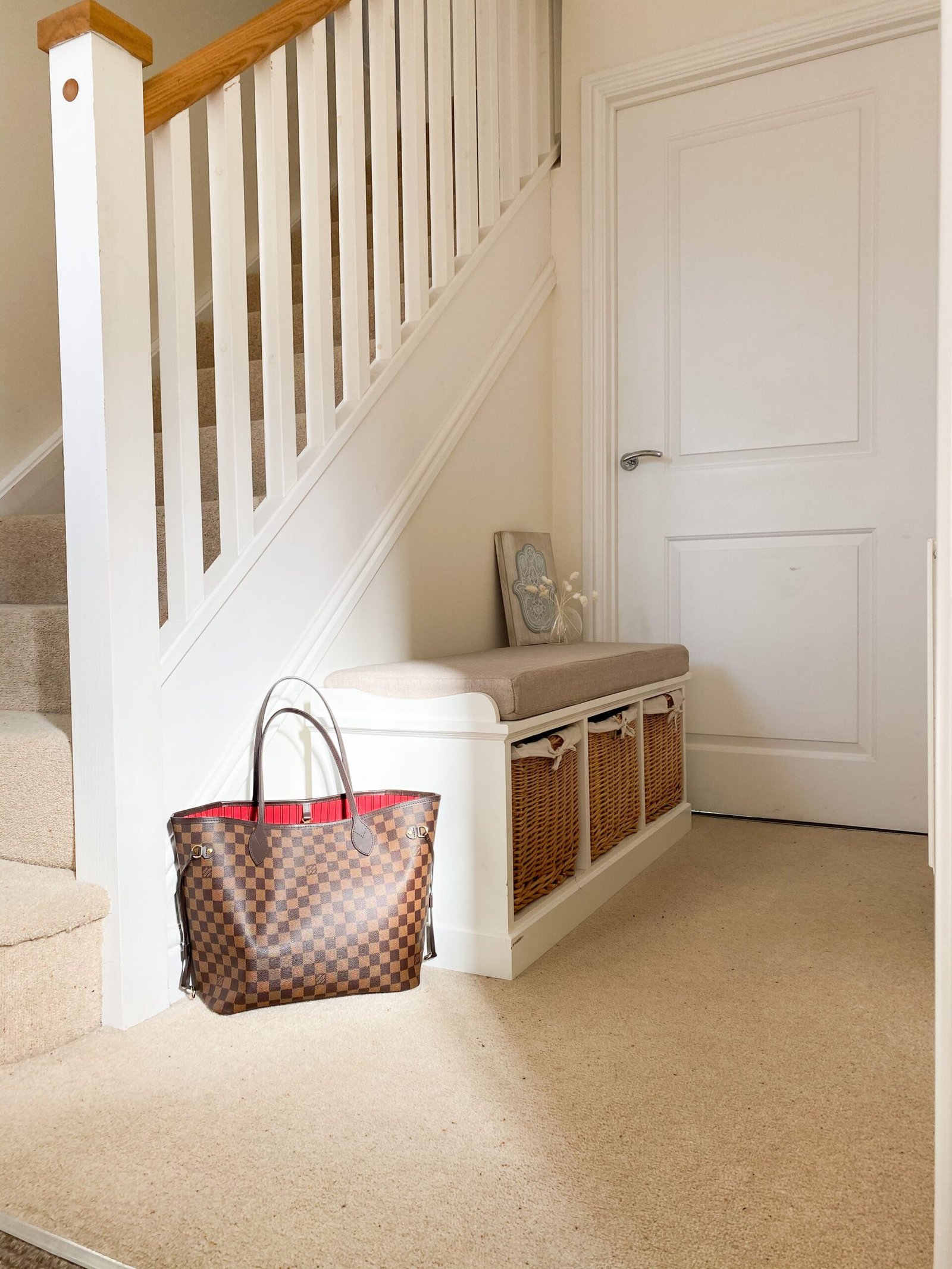
A small hallway is often the hardest-working space in the whole house, even though it gets the least attention. It is where shoes come off, coats are dropped, keys disappear, parcels are left, and guests form their first impression — all within a few square feet. When it works well, you barely notice it. When it does not, every arrival and departure feels a little chaotic.
The good news is that small entryway decor ideas do not require a renovation or a large budget. They require a clear plan for what the space has to do, storage that fits the width you actually have, and a few thoughtful choices about light and colour. This guide walks through practical ways to make a narrow hallway feel calmer, more useful, and more welcoming, without blocking the door or crowding the walkway.
What an Entryway Has to Do Every Day
Before buying anything, it helps to watch how your hallway is really used for a week. Who comes through the door, and what do they carry? A family with school bags and sports kit needs something very different from a single person who mostly needs a place for keys and a coat. A hallway that also serves as the route to the kitchen or stairs needs a clear path above all else.
Most entryways have to handle the same handful of jobs: a place to sit or steady yourself while putting shoes on, somewhere to hang a coat, somewhere for bags, a spot for keys and small essentials, and a surface or hook for post and parcels. It also has to stay safe to walk through in the dark, easy to clean, and pleasant to come home to. If a piece of furniture or decoration gets in the way of any of those jobs, it is working against the room, however pretty it looks.
Storage That Does Not Block the Door
Storage is where small hallways most often go wrong. A deep cupboard or wide shoe rack might hold a lot, but if it narrows the passage or stops the door opening fully, it creates a daily frustration. The aim is storage that is slim, stable, and easy to use, so putting things away becomes quicker than leaving them on the floor.
Wall-mounted hooks are often the most practical starting point. A row of sturdy hooks at a height everyone in the household can reach keeps coats off chairs and banisters, and because hooks take almost no floor space, the hallway stays open. Choose hooks that are fixed properly into the wall, especially if they will hold heavy winter coats and bags, and leave a little space between them so coats do not bunch together into one bulky mass.
For shoes, a slim shoe cabinet or a low bench with shoe storage underneath usually works better than an open rack. Closed storage hides visual clutter, which makes a narrow hall feel calmer instantly, and it keeps dust and dirt contained. If you prefer open storage, a simple tray for the pairs in daily use, with the rest stored elsewhere, can work well. The key is to set a realistic limit: a small hall cannot hold every pair of shoes in the house, and it should not try to.
- Measure first: check door swing, hallway width, and any radiators, skirting, or switches before choosing furniture.
- Go slim: look for pieces around 25 to 30 centimetres deep for consoles and shoe cabinets, rather than standard-depth furniture.
- Use height: a high shelf for less-used items frees floor space, but keep everyday items within easy reach.
- Keep it stable: anchor tall or narrow pieces to the wall, especially in homes with children or pets.
- Leave breathing room: a small gap at each end of a piece of furniture stops the hall feeling boxed in.
For more detailed storage layouts, see Small Hallway and Entryway Storage Ideas That Actually Work, which looks at slim cabinets, baskets, and ways to use awkward corners without crowding the passage.
Mirrors, Light and Colour in Narrow Halls
Once storage is sorted, mirrors, light, and colour do the most to change how a small hallway feels. None of these need to be dramatic. In fact, in a narrow space, quiet and consistent choices usually work better than bold statements that draw attention to the lack of space.
A mirror is the classic small-hall trick, and it earns its reputation. Placed on the wall opposite or beside a light source, it reflects light and gives a sense of depth, and it is genuinely useful for a last check before leaving. Keep the frame simple and the size in proportion to the wall: a very large, heavy mirror can dominate a small hall, while a medium mirror hung at eye level does the job without fuss. If wall space is tight, a mirror on the back of the door or a tall, narrow mirror leaning safely against the wall can work, provided it is secured and does not block the walkway.
Light matters just as much. Many hallways have little or no natural light, so artificial lighting carries the whole space. A single dim ceiling light often leaves corners dark and makes the hall feel smaller. If possible, add a second source of light, such as a wall light or a small table lamp on a console, to soften shadows. Warm white bulbs tend to feel more welcoming in a hallway than harsh, cool light, and choosing energy-efficient bulbs is a sensible place to start — guidance on efficient lighting choices is available from ENERGY STAR. Keep light fittings slim and close to the wall or ceiling so they do not intrude on headroom or the walkway.
Colour can then tie everything together. Light, warm neutrals on the walls help a narrow hall feel open, especially when the ceiling and woodwork are painted in a similar tone so there are fewer hard visual breaks. That does not mean the hall has to be plain white. A soft warm grey, pale sage, or gentle cream can add character while still reflecting light. If you love colour, use it in a way that is easy to change: a runner, artwork, cushions on a bench, or a painted front door seen from inside. A dark or very bold wall colour can look striking in a hallway with good light and high ceilings, but in a low, narrow hall it often makes the space feel tighter, so test a sample in both daylight and evening light before committing.
Keep It Tidy With a Landing Spot for Everything
Even the best-designed hallway will drift back into clutter without a simple daily habit to support it. The trick is to make tidying easier than mess. That means every everyday item has one obvious home, close to the door, and nothing requires lifting a lid, opening a cupboard, and rearranging other things just to put keys down.
A landing spot does not have to be elaborate: a small tray for keys, a hook for the dog lead, a basket for post, and a place for the bag you use most. Once these homes are established, use them every time you come in, and the hallway will largely look after itself. A weekly five-minute reset — returning stray items, wiping the console, and checking the shoe cabinet — is usually enough.
Seasonal rotation helps, too. Heavy winter coats, scarves, and boots take up far more room than summer shoes and a light jacket, so swap them out when the season changes. If an item has not been used for a season, store it elsewhere rather than letting it live in the hallway year-round. For a wider approach to keeping the whole home tidy, Decluttering Room by Room: A Starter Plan That Actually Sticks offers a practical, room-by-room method that starts with exactly this kind of small, daily habit.
- Arrive and unload in the same place every time, so keys, bags, and coats always land in their homes.
- Keep the walkway clear: if you have to step around something, it belongs elsewhere.
- Limit the hallway to current-season items, and store out-of-season coats and shoes elsewhere.
- Do a quick reset each evening or each weekend, before clutter has a chance to build up.
Finally, remember that the hallway does not exist in isolation. The front door, the porch, and the first room you enter all shape how the hallway feels. A clean doormat, a working doorbell, and a tidy porch make the transition into the home feel welcoming, and How to Improve Your Home’s Curb Appeal on a Budget looks at simple, low-cost ways to make that first impression count.
FAQ: Small Entryway Decor
How do I make a narrow hallway feel wider?
Use light colours, a mirror opposite or beside a light source, and slim furniture that leaves the walkway clear. Keeping the floor visible and the ceiling the same light tone as the walls also helps, because hard visual breaks make a narrow space feel smaller.
What furniture works best in a small entryway?
Slim, wall-mounted, or multi-purpose pieces work best: wall hooks, a slim shoe cabinet, a low bench with storage underneath, or a narrow console. Avoid deep cupboards and wide racks that narrow the passage or block the door.
How can I add storage without making the hallway feel cramped?
Use vertical space and closed storage. A high shelf for less-used items, a slim cabinet with doors, and hooks on the wall all add storage without taking floor space. Keep everyday items within easy reach, and store out-of-season items elsewhere.
Do I need a mirror in a small hallway?
Not necessarily, but a mirror is one of the most effective tools for a narrow hall. It reflects light, adds a sense of depth, and is useful for a last check before leaving. If wall space is tight, a mirror on the back of the door can work just as well.
How do I keep a small entryway tidy with children?
Give each child one hook and one basket or cubby at their height, and make putting things away part of the arrival routine. Keep the system simple — if a child has to open a cupboard, lift a lid, and move other things to put shoes away, they are less likely to do it.
Conclusion
A small hallway does not need to be grand to work well. It needs a clear job description, storage that fits the width you actually have, a mirror and light that make the space feel open, and a landing spot for everything you carry in and out every day. Get those basics right, and the hallway will stop being a bottleneck and start being a welcoming first room.
Start by watching how your hallway is used for a week, then measure the space and choose one change: a row of hooks, a slim shoe cabinet, or a mirror at eye level. Once that change is in place and the daily habit is established, the rest of the hallway tends to follow — calmer, tidier, and far more useful than its size suggests.
2 thoughts on “Entryway Decor Ideas That Make a Small Hallway Work Harder”