
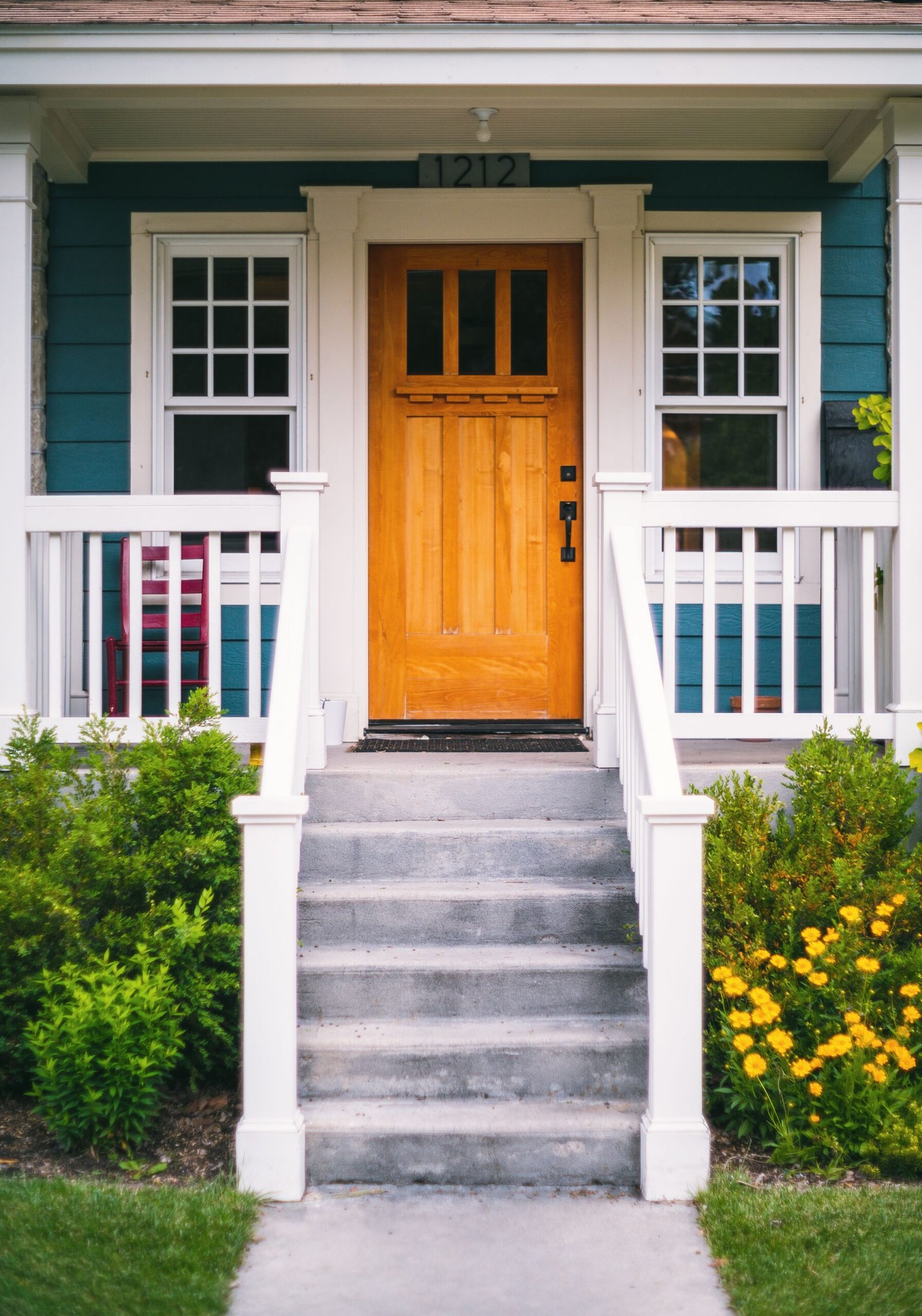
Curb appeal is the impression a home makes before anyone steps inside: the front door, the path, the planting, the lighting, and the general sense that the place is cared for. It matters whether a home is being sold or simply lived in, because it shapes how visitors, neighbours, and the household itself feel about the place every time they approach it. The good news is that curb appeal is one of the most affordable improvements available, because it depends far more on cleanliness, maintenance, and a few well-chosen details than on expensive landscaping or structural change.
This guide orders budget curb-appeal work by visual impact per effort, starting with what visitors see first from the street and moving closer to the door. It avoids large spending and major work, and it focuses on jobs that can be done in a weekend or two, with basic tools, and maintained afterwards without a large ongoing commitment. A home that looks cared for is not a home that has been expensively remodelled; it is a home whose entrance is clean, clear, planted, and lit.
Start at the Street: What Visitors See First
Stand across the street and look at your home the way a visitor does, because that is the view that forms the first impression. From this distance, the details that matter are large and simple: the overall tidiness of the front garden, the condition of the path and driveway, the shape and health of planting, and the state of the front door and windows. Small details that obsess a homeowner — a single weed, a scuffed pot — are invisible from here, while large patterns — an overgrown hedge, a stained path, a peeling door — dominate.
Cleaning is the cheapest and most effective first step. Sweep the path and driveway, remove leaves and debris from planting beds and gutters at ground level, wash down the front door, windowsills, and any outdoor surfaces that have gathered dirt, and clean the house number so it is legible from the street. A pressure washer, borrowed or hired if you do not own one, can transform a stained path or driveway in an afternoon, but even a stiff brush, water, and a suitable cleaner will make a noticeable difference. Cleaning reveals what actually needs fixing, as opposed to what merely looked tired under a layer of dirt.
Next, address anything that blocks the view or the approach. Overgrown shrubs that hide the front door, branches that overhang the path, and planting that has spread across a walkway all make a home feel neglected and harder to approach. Trimming back overgrowth, removing dead or damaged branches, and clearing the path to its full width are simple jobs with an outsized effect, because they restore the shape of the front garden and make the entrance visible and welcoming again.
Finally, look at the boundaries and surfaces that frame the front garden. A fence or gate that is leaning, a gate that does not close properly, or a wall with loose or stained pointing all detract from first impressions, even when the garden itself is tidy. Simple repairs — tightening a gate hinge, repainting a fence panel, repointing a small area — are often weekend jobs, and they signal that the whole property is maintained, not just the parts that are most visible.
Front Door, Numbers and Lighting
The front door is the focal point of a home’s exterior, and it deserves a disproportionate share of a curb-appeal budget. A door that is clean, well painted, and fitted with hardware that works — a handle that turns smoothly, a letterbox that closes, a lock that operates without force — immediately suggests a cared-for home. If the paint is tired or peeling, repainting the door is one of the highest-impact weekend jobs available, and choosing a colour that suits the house and the street, rather than the boldest colour available, usually gives the most lasting result.
Hardware is a small detail with a large effect. Replacing a worn handle, a tarnished letterbox, or a stiff lock, and adding a clear, legible house number, are inexpensive jobs that can be done in an hour or two. The house number deserves particular attention, because it is both practical and visual: visitors, delivery drivers, and emergency services all need to find the house quickly, and a number that is faded, obscured by planting, or in a tiny, hard-to-read style undermines that purpose. Choose a number that is large enough to read from the street, in a style that suits the house, and place it where it is not hidden by a porch, a plant, or a shadow.
Lighting transforms an entrance in the evening, which is when many visitors arrive and when a home’s first impression is often formed. A working light by the front door, with a bulb bright enough to illuminate the step, the lock, and the path immediately outside, makes the entrance safer and more welcoming. If the existing light is dim, dirty, or poorly positioned, cleaning its cover, replacing the bulb, or repositioning it slightly can make a real difference. Lighting that is too bright or too harsh, on the other hand, can glare and feel unwelcoming, so a warm, moderate light is usually the best choice for an entrance.
Path, Planting and Edges
Paths and planting beds are where a front garden either looks cared for or looks neglected, and the difference is usually maintenance rather than design. A path that is swept, weed-free, and edged cleanly looks intentional even if it is plain, while a path that is cracked, uneven, or overgrown with weeds looks neglected even if the planting around it is attractive. Start with the path itself: sweep it, remove weeds from joints and edges, wash it if it is stained, and repair any loose or uneven sections that are trip hazards, provided the repair is within safe DIY limits.
Edges are the detail that most transforms a front garden for the least effort. A lawn edge that is cut cleanly, a planting bed edge that is defined with a spade or an edging tool, and a border between lawn and path that is sharp rather than blurred all make a garden look maintained. Edging is a simple, repetitive job, but it is the visual equivalent of ironing a shirt: it does not change the substance, but it changes the impression completely. It is also a job that, once done, is easy to maintain with a short regular trim.
Planting should be chosen for the space and for the maintenance the household will actually do. A few healthy, well-placed plants that suit the soil, sun, and rainfall of the spot will look better than a crowded bed of plants that struggle, need constant attention, and soon look untidy. Evergreen structure — shrubs or small trees that hold their shape through the year — gives a front garden year-round form, while seasonal colour from pots or a small bed can be changed easily and cheaply. The aim is a garden that looks cared for in every season, not one that looks spectacular for a month and neglected for the rest of the year.
Pots and containers are a budget-friendly way to add colour and structure at the entrance, because they can be moved, changed, and replaced without digging or replanting a bed. A pair of matching pots flanking a front door, planted with something that suits the aspect and the season, frames the entrance and adds a sense of intention. Keep pots watered and deadheaded, and replace plants that have finished rather than leaving empty or dead containers, because a neglected pot detracts more than no pot at all. A low-maintenance approach to planting, which keeps a garden looking cared for without constant work, is explored in How to Create a Low-Maintenance Garden That Still Looks Cared For, and the step from a tidy front garden to a usable outdoor room is covered in Outdoor Living Ideas: Turning a Patio Into an Extra Room. Inside, the entrance should continue the welcome, a subject addressed in Entryway Decor Ideas That Make a Small Hallway Work Harder.
Keep It Maintained, Not Just Improved
The hardest part of curb appeal is not the initial improvement; it is keeping it. A front garden that is transformed in a weekend and then left for six months will return to its previous state, while a front garden that receives a short, regular amount of attention will stay looking cared for with far less total effort. The maintenance routine for curb appeal is small: sweep the path weekly, trim edges monthly in the growing season, deadhead and water pots, and check the front door, lighting, and house number a few times a year.
Seasonal tasks keep the routine manageable. In spring, refresh pots, trim shrubs that have outgrown their space, and check the path and paintwork after winter. In summer, water and deadhead regularly, keep edges trimmed, and watch for weeds in path joints before they become established. In autumn, clear leaves from paths and drains at ground level, cut back plants that will die back, and check outdoor lighting before the darker evenings arrive. In winter, keep the path safe and clear, and check that the front door and its hardware still operate smoothly in cold and wet weather.
Budget discipline is part of maintenance too. Curb appeal does not require constant spending; it requires spending on the right things at the right time. A tin of paint for the front door every few years, a few plants for pots each season, and replacement bulbs for outdoor lighting are small, planned costs. Large, impulsive spending on a feature that then needs constant maintenance — a high-maintenance hedge, a water feature, or a complex planting scheme — is more likely to become a burden than a benefit, and it is worth resisting in favour of simpler choices that can be maintained.
FAQ: Curb Appeal on a Budget
What is the cheapest way to improve curb appeal?
Cleaning and tidying: sweep and wash the path, clean the front door and windowsills, clear overgrowth from the approach, and make the house number legible. These jobs cost almost nothing and often make the largest visible difference.
Should I repaint my front door?
If the existing paint is peeling, faded, or badly scuffed, repainting is one of the highest-impact budget jobs. Choose a colour that suits the house and the street, prepare the surface properly, and finish with hardware that works well.
How do I keep a front garden looking good without much time?
Choose a few healthy plants suited to the spot, define edges clearly, and use pots for seasonal colour. A short weekly sweep and a monthly edge trim in the growing season will keep a simple scheme looking cared for.
Is curb appeal only important when selling a home?
No. It affects how visitors and the household feel about the home every day, and it makes the entrance safer and easier to use. A tidy, well-lit approach is a daily benefit, not just a selling point.
Conclusion
Improving curb appeal on a budget is less about spending and more about seeing a home as a visitor sees it, then cleaning, repairing, and planting in order of visual impact. Start at the street, focus on the front door, numbers, and lighting, define paths and edges, and choose planting that can be maintained.
Done this way, curb appeal becomes a habit rather than a project: a short, regular routine that keeps a home looking welcoming in every season, without a large budget or a major redesign.