
Most homes do not need a renovation; they need a handful of small repairs done promptly, before a dripping tap becomes a stained cabinet, a loose hinge becomes a damaged door, or a small crack becomes a draught. The repairs in this guide are the ones a beginner can learn safely: they need basic tools, they do not involve structural work, gas, or mains electrics, and they can be undone or corrected if something goes wrong. They are also the repairs that build confidence, because each one teaches a skill that applies to the next.
Confidence, however, must come with boundaries. A homeowner who knows how to fix a dripping tap, a squeaky hinge, and a sticking door is well equipped for everyday maintenance, but that same homeowner should not rewire a circuit, alter a load-bearing wall, or work on a gas appliance. This guide covers both sides: the fixes most beginners can handle, and the clear signs that a job belongs to a professional. Knowing the boundary is not a lack of skill; it is the most important repair skill of all.
Tools Worth Having at Home
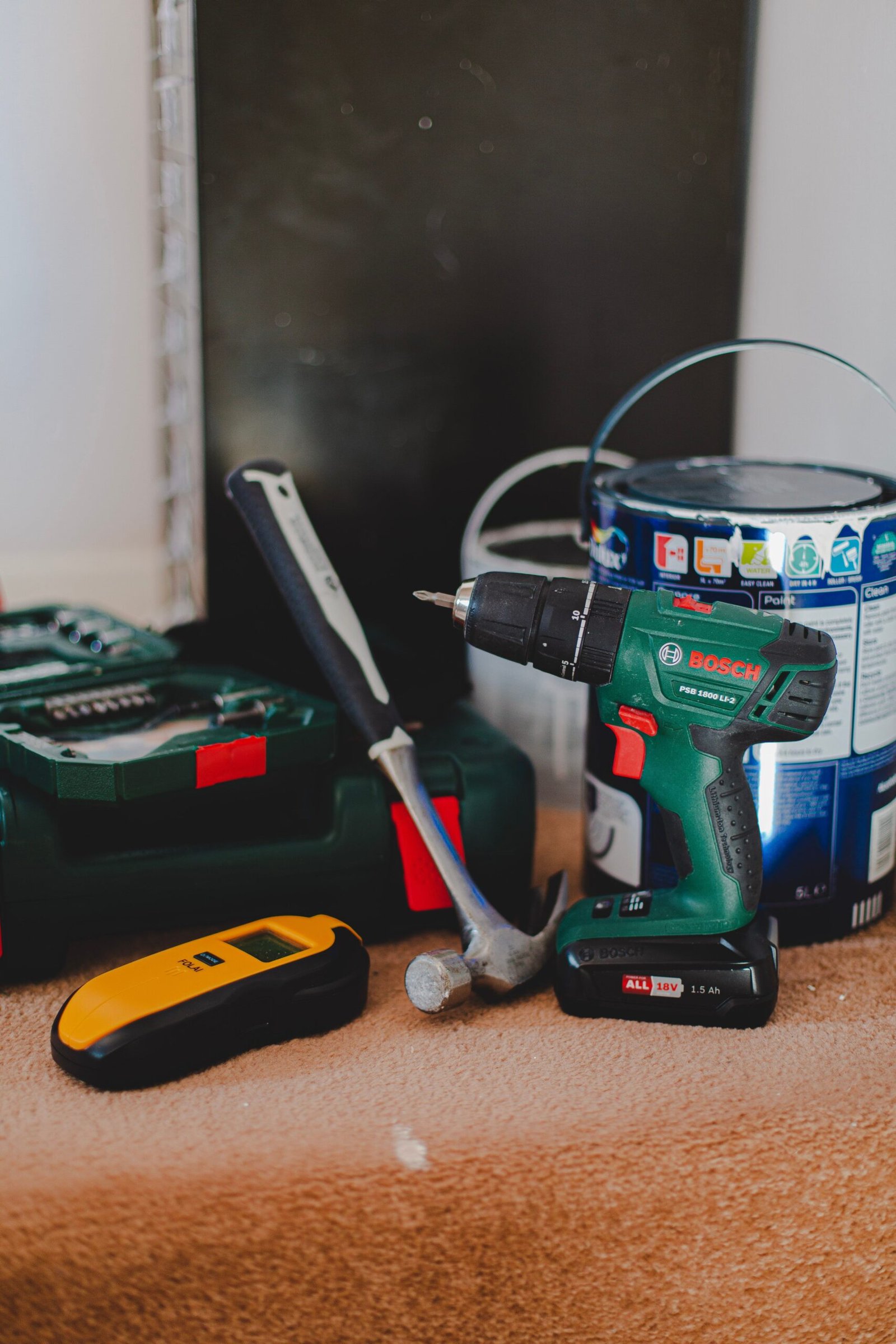
A small, well-chosen toolkit covers almost all beginner repairs. The essentials are a claw hammer, a set of screwdrivers including flat-head and cross-head in a few sizes, an adjustable spanner, a pair of pliers, a tape measure, a spirit level, a utility knife, and a cordless drill with a selection of bits. Add a torch, a pencil, masking tape, and a small selection of screws, wall plugs, and nails, and most household fixes are within reach. Quality matters more than quantity: a few tools that fit properly are better than a large set of poor tools that slip, strip screws, or break under load.
Consumables are just as important as tools. Keep filler and a filling knife for small wall repairs, a tube of sealant and a sealant gun for bathroom and kitchen joints, lubricating oil for hinges and locks, thread tape for plumbing joints where appropriate, and sandpaper in a couple of grades for smoothing filled or painted surfaces. These items are inexpensive, they last a long time when stored properly, and having them on hand is what turns a repair from a weekend project into a ten-minute job done the day the problem appears.
Finally, keep the toolkit organised and in one place. A toolbox or a dedicated cupboard shelf, with tools returned after each job, means that the next repair starts with the tools, not with a search. Label small containers for screws and fixings, keep drill bits in their case, and replace consumables when they run low rather than discovering an empty tube halfway through a job. An organised toolkit is a quiet encouragement to fix things promptly, because the barrier to starting is low.
Fixes Most Beginners Can Handle
Dripping taps are a good first repair, because the cause is often a worn washer or cartridge that can be replaced with basic tools. The essential first step is to turn off the water supply to the tap, either at an isolation valve nearby or at the main stopcock, and to open the tap to confirm the water has stopped. From there, the tap can be dismantled, the worn part identified and replaced with a matching one, and the tap reassembled and tested. Take the old part to the shop when buying a replacement, because taps vary and a washer that looks right may not be the right size.
Loose hinges, handles, and knobs are another beginner staple. A door handle that wobbles usually needs its screws tightened, and if the screws no longer grip because the holes have worn, a simple fix is to fill the hole with a wooden matchstick or a small dowel glued in place, let it dry, and then re-screw into the repaired hole. A hinge that has worked loose can often be fixed the same way. These are small jobs, but they remove daily annoyances and prevent further damage to the door or frame.
Small wall damage — nail holes, dents, and hairline cracks in plaster — is also within a beginner’s range. Clean the area, apply filler with a filling knife, let it dry, sand it smooth, and paint over it. The skill is in applying filler thinly and sanding patiently, rather than piling filler on thickly and hoping sanding will fix it. A repair that cannot be felt with a fingertip and cannot be seen after painting is a repair done well, and it is a satisfying first step into home maintenance.
Blocked sinks and slow drains, where the blockage is in the trap or the first section of pipe, can often be cleared without chemicals or specialist tools. A plunger, used with a firm seal and steady pressure, clears many blockages, and a trap can be unscrewed, emptied, and cleaned, provided a bucket is placed underneath and the trap is reassembled correctly with its seals in place. If a blockage returns quickly, affects multiple drains, or is accompanied by bad smells from several outlets, it may indicate a deeper problem that needs professional investigation rather than repeated plunging.
Other beginner-friendly fixes include replacing a light-switch plate or a socket cover, re-sealing a bath or a shower tray edge where the old sealant has cracked, tightening a wobbly toilet seat, and replacing a worn draught strip on a door or window. Each of these jobs is small, but each one improves daily life in a tangible way. Together, they form a maintenance habit: notice a small problem, fix it promptly, and prevent it from becoming a large one. Specific door problems — drafts, squeaks, and sticking — are covered in detail in How to Fix Common Drafts, Squeaks and Sticking Doors.
Know When to Call a Professional
The boundary between DIY and professional work is defined by risk, not by difficulty. Electrics are the clearest example: replacing a light-switch plate is safe, but rewiring, adding a circuit, or working in a fuse box is not a beginner job, and in many places it is regulated work that must be done by a qualified person. The same applies to gas appliances and pipework, where a mistake can be dangerous rather than merely inconvenient. If a job involves mains electricity, gas, or a water supply that cannot be isolated, stop and call a professional.
Structural work is another firm boundary. Removing or altering a wall, cutting into a ceiling or a floor structure, or repairing significant cracks in a load-bearing wall needs professional assessment, because the consequences of a mistake are not cosmetic. Large cracks, cracks that are widening, doors and windows that suddenly stick across the house, or floors that slope noticeably are all signs to seek advice rather than to fill and paint over the symptom. A professional can diagnose the cause; a DIY repair can only hide it temporarily.
Roofing, work at height, and anything involving asbestos are also professional territory. A loose roof tile, a leaking flat roof, or a chimney problem may look like a simple repair from the ground, but working on a roof without proper access, training, and safety equipment is dangerous. Materials that may contain asbestos — common in older homes in insulation, floor tiles, and textured coatings — should never be disturbed without specialist advice, because the health risk comes from airborne fibres that are invisible and impossible to assess without testing.
Water damage is a further warning sign. A damp patch that keeps returning, a ceiling stain that grows after rain, or a floor that feels soft or springy may indicate a leak, a plumbing failure, or a structural issue that needs diagnosis. Drying the surface and repainting it will not fix the source, and delaying professional investigation can turn a repairable leak into widespread damage. The rule is simple: if you cannot see the full extent of a problem, cannot isolate the supply involved, or cannot be sure the repair is safe, get professional help. That caution is part of good homeownership, not a failure of DIY ability.
A Simple Home Maintenance Routine
Repairs are easier when they are found early, and early discovery comes from a simple routine rather than from waiting for something to break. A monthly walk around the home, looking at taps, hinges, seals, and paintwork, and listening for drips, squeaks, and rattles, takes only a few minutes and catches most small problems while they are still small. A seasonal check — gutters and outdoor areas in autumn, heating and draughts before winter, outdoor paint and sealant in spring — catches the jobs that change with the weather.
Keep a short list, and work through it in order of impact. A dripping tap that wastes water and stains a sink outranks a scuffed wall; a sticking front door that affects security outranks a squeaky internal door. Fixing one item a week, or a small batch once a month, keeps a home in good condition without turning maintenance into a burden. The list also prevents the common trap of fixing the most visible problem first while a hidden problem, such as a slow leak under a sink, quietly worsens.
Finally, build maintenance into larger plans rather than treating it as separate from improvement. A weekend project, such as those in Home Improvement Projects You Can Finish in a Weekend, is an ideal time to fix the small problems in the same room, because the tools are already out and the room is already protected. Similarly, an energy-related improvement often starts with the same basic repairs — sealing a gap, fixing a hinge, replacing a draught strip — that are discussed in Energy-Saving Home Improvements That Pay Off Over Time. Maintenance and improvement are not separate activities; maintenance done well is the foundation that improvement builds on.
FAQ: Easy DIY Repairs
What is the best first DIY repair for a beginner?
Tightening a loose handle or hinge, or filling and painting a small wall dent, is a good start. Both jobs need few tools, carry little risk, and give a visible result, which builds confidence for slightly larger jobs such as replacing a tap washer.
How do I know if a repair is safe to do myself?
Ask whether you can isolate the supply involved, see the full extent of the problem, and undo the repair if it goes wrong. If the job involves mains electricity, gas, structural work, roofing, or possible asbestos, or if you cannot answer those questions confidently, call a professional.
Should I use chemical drain cleaners?
They are rarely the best first step. A plunger or a cleaned trap clears most simple blockages without risking damage to pipes or seals, and without handling harsh chemicals. If a blockage returns quickly or affects multiple drains, professional investigation is more useful than repeated chemical treatments.
How often should I check my home for repairs?
A brief monthly walk-around catches most small problems early, with a seasonal check for weather-related jobs such as gutters, heating, and outdoor sealant. Fixing one small item promptly is almost always cheaper and easier than fixing the larger problem it becomes.
Conclusion
Easy DIY repairs are not about doing everything yourself; they are about doing the right things yourself, promptly and well. A small toolkit, a habit of noticing small problems early, and a clear understanding of when to call a professional will keep a home in good condition and build skills that make each next repair easier.
Start with one small job this week — a loose handle, a dripping tap, a dented wall — and finish it properly. The confidence from that single finished repair is the real foundation for everything else a home will need.
1 thought on “Easy DIY Repairs Every Homeowner Should Know How to Do”