
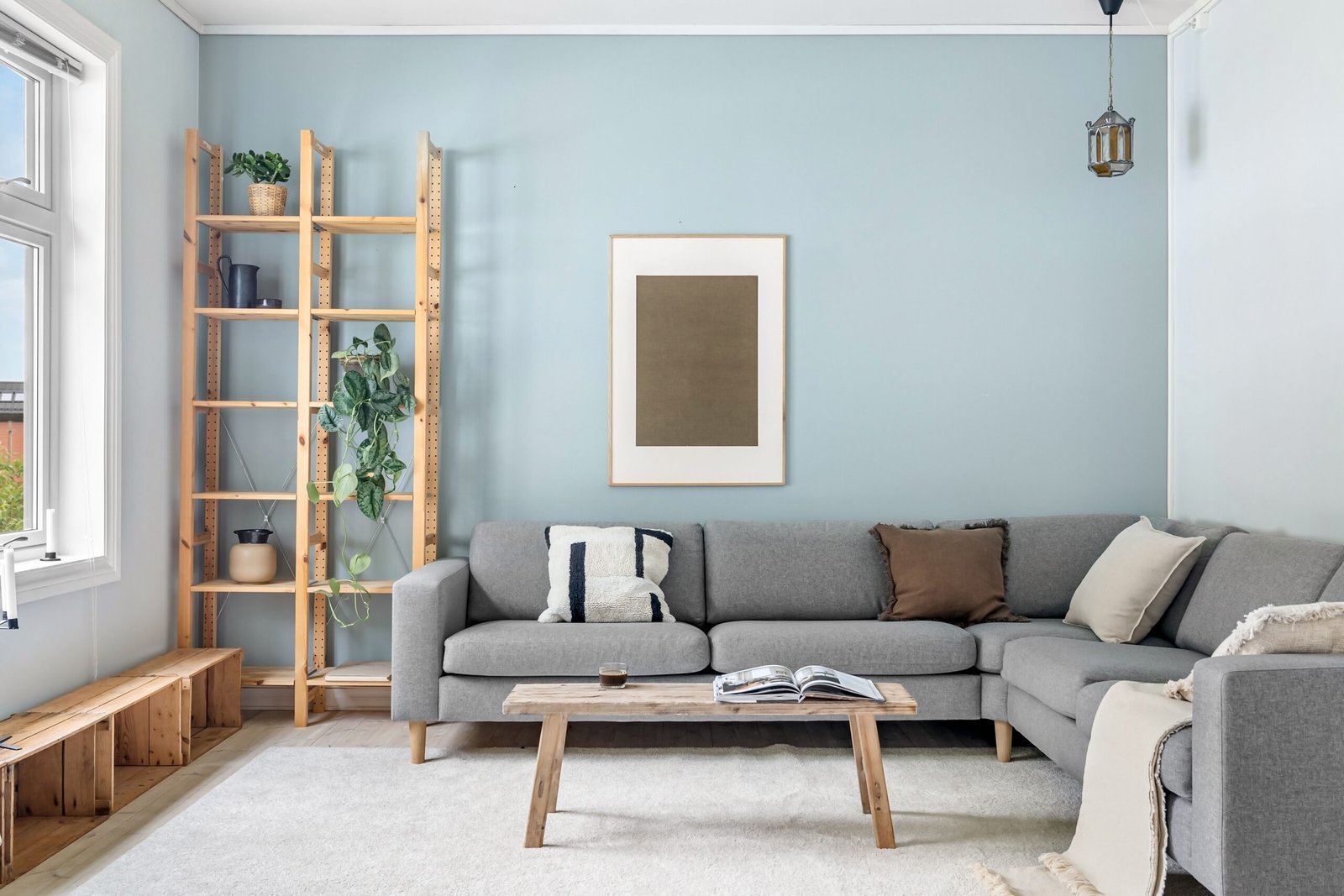
Decluttering a whole home sounds overwhelming, and that is usually why it never starts. The task looks enormous from the sofa: every cupboard, every drawer, every room, all at once. The way to get past that feeling is not willpower but scale. Decluttering works when it is broken into small, finishable sessions, one room at a time, with a simple decision rule for each item and a clear plan for what leaves the house.
This guide is a starter plan, not a perfection project. It is for someone who wants a home that is easier to live in and easier to tidy, not a home that looks empty. The order matters: start small, build momentum with visible wins, and deal with the hardest rooms only once the habit is established. A few hours spread over a few weekends will change a home far more than a single exhausting weekend that ends in bags piled in the hallway.
Start Small: One Drawer, One Shelf
The first session should be short and easy — one drawer, one shelf, or one small cupboard, no more than twenty or thirty minutes. The point is not how much you clear but that you finish something completely, including taking the outgoing items out of the house. A finished drawer, with everything left in it having a home, is a visible result, and visible results are what keep a decluttering project going.
Choose a low-stakes starting point: a bathroom drawer, a kitchen utensil drawer, or a single bookshelf. Avoid starting with sentimental items, photographs, or a room that carries strong feelings. Those categories need more time and energy, and tackling them first is a common reason projects stall. Easy wins first, harder decisions later, once you have practised the decision rule and seen the benefit.
Set a timer and stop when it rings. Decluttering energy is limited, and pushing past it usually leads to hurried decisions you regret, or to piles of unsorted items that sit for weeks. A timer also makes the next session easier to start, because you know it has a definite end. Two short sessions a week, kept up for a month, will clear more than most people expect, and without the exhaustion that makes them dread the next one.
A Simple Decision Rule for Each Item
Every item you pick up gets one of three decisions: keep it where it is, relocate it to a better home, or let it go. That is the whole system, and it works best when the decisions are quick. If you have not used something in a year, cannot name where it belongs, or are keeping it only because you feel guilty about getting rid of it, it is a candidate for letting go. Guilt is not a storage category.
Keep the “maybe” pile small and time-limited. A box for items you are unsure about is useful, but only if it has a date on it: if nothing in the box has been needed in three months, the box leaves the house without being reopened. An unlimited maybe pile is just clutter moved to a different location, and it quietly undermines the whole project.
- Keep: you use it regularly, it has a clear home, and removing it would leave a gap.
- Relocate: it belongs in another room, or in a better spot in this room — move it there now, not later.
- Let go: it is broken, duplicated, unused, or kept only out of obligation.
- Maybe box: one box per session at most, dated, and reviewed after three months.
Duplicates deserve special attention, because they are often the easiest wins. Most homes hold several of the same thing — scissors, chargers, mugs, towels — scattered across rooms. Gathering duplicates in one place and keeping only the best few frees surprising amounts of space, and it also shows you what you actually own, which prevents buying yet another duplicate next time.
Another useful habit is to handle each item once. When you pick something up, decide on it there and then — keep, relocate, or let go — rather than setting it aside in a growing “decide later” pile. Piles of undecided items are the most common reason a session stalls, because they have to be handled a second time with no new information. If you truly cannot decide, the dated maybe box is the safety valve, but it should be the exception, not the default. Most decisions become easier with practice: the tenth item in a session is decided faster than the first, and by the third session the rule feels natural. That growing speed is another reason to keep sessions short and regular rather than rare and exhausting, because each session builds the skill that makes the next one quicker.
Room-by-Room Order That Builds Momentum
Work in an order that gives early visible results. A good sequence is: bathroom first, then kitchen surfaces and cupboards, then the hallway and entryway, then bedrooms, then living areas, and finally storage spaces such as a spare room or garage. Bathrooms are small and quick, kitchens are high-impact because they are used daily, and hallways set the tone for the whole home when you walk in.
Within each room, work in one direction — clockwise, or left to right — so you do not skip around and lose track. Finish one area before starting the next, and put items that belong elsewhere into a single basket to redistribute at the end of the session. Carrying each item to its room as you find it breaks your flow and turns a thirty-minute session into an hour of wandering.
Living areas and storage spaces come last for a reason. They tend to hold the most sentimental and ambiguous items, and they benefit most from the skills built in earlier rooms: quick decisions, a tolerance for letting go, and a sense of what “enough” looks like. By the time you reach them, you will also have freed space elsewhere, which gives you somewhere sensible to put the things you genuinely keep. A home that looks cluttered even after decluttering often has a styling problem as well as a storage one, and Decorating Mistakes That Make a Room Feel Cluttered — and How to Fix Them covers the visual side.
What to Do With What Leaves the House
Decluttering is only finished when outgoing items actually leave. Decide the route before you start a session: a bag for donation, a box for recycling, and a bag for rubbish, with a plan to drop donations off within a few days. Bags that sit in a hallway or a car boot for weeks are not decluttered; they are relocated clutter, and they make the home feel unfinished.
Donation works best when items are clean and usable. Charities and community groups generally welcome kitchenware, books, toys, and clothing in good condition, but check what your local options accept before loading the car. Items that are broken, stained, or missing parts should go to recycling or rubbish rather than to a charity, which then has to dispose of them. Being honest about condition is part of the process, not a failure of it.
For items with value, selling is an option, but weigh the time against the return. Photographing, listing, and posting a handful of low-value items can take longer than the whole decluttering session that produced them. A useful rule is to sell only items worth the effort of listing, and to donate the rest promptly. The goal is a home that is easier to live in, not a second job in resale. Once the main rooms are clearer, the hallway is often the next place to improve, and Small Hallway and Entryway Storage Ideas That Actually Work covers storage that keeps it that way, while bedrooms without fitted storage benefit from Bedroom Storage Ideas for Rooms Without Built-In Wardrobes.
FAQ: Decluttering Room by Room
How long should a decluttering session last?
Twenty to thirty minutes is enough to start, especially for a first session. Short, finished sessions build momentum better than long ones that end in exhaustion and half-sorted piles.
What if I cannot decide whether to keep something?
Put it in a dated maybe box and move on. If you have not needed it in three months, let the box go without reopening it. The point is progress, not perfect decisions on the first pass.
Which room should I declutter first?
A small, low-stakes room such as a bathroom, or a single drawer anywhere. Early visible wins make the harder rooms — living areas and storage spaces — much easier later.
What should I do with items that leave the house?
Have a route planned before you start: donation, recycling, or rubbish, and drop donations off within a few days. Items sitting in bags in the hallway are not yet decluttered.
Conclusion
Decluttering room by room works because it respects real energy and real homes: small sessions, a simple keep-relocate-let-go rule, an order that builds momentum, and outgoing items that actually leave. It is a starter plan, and starting is the hardest part.
Pick one drawer this week, set a timer, and finish it completely. That single finished drawer is the beginning of a home that is easier to tidy, easier to find things in, and easier to enjoy.
2 thoughts on “Decluttering Room by Room: A Practical Starter Plan”