
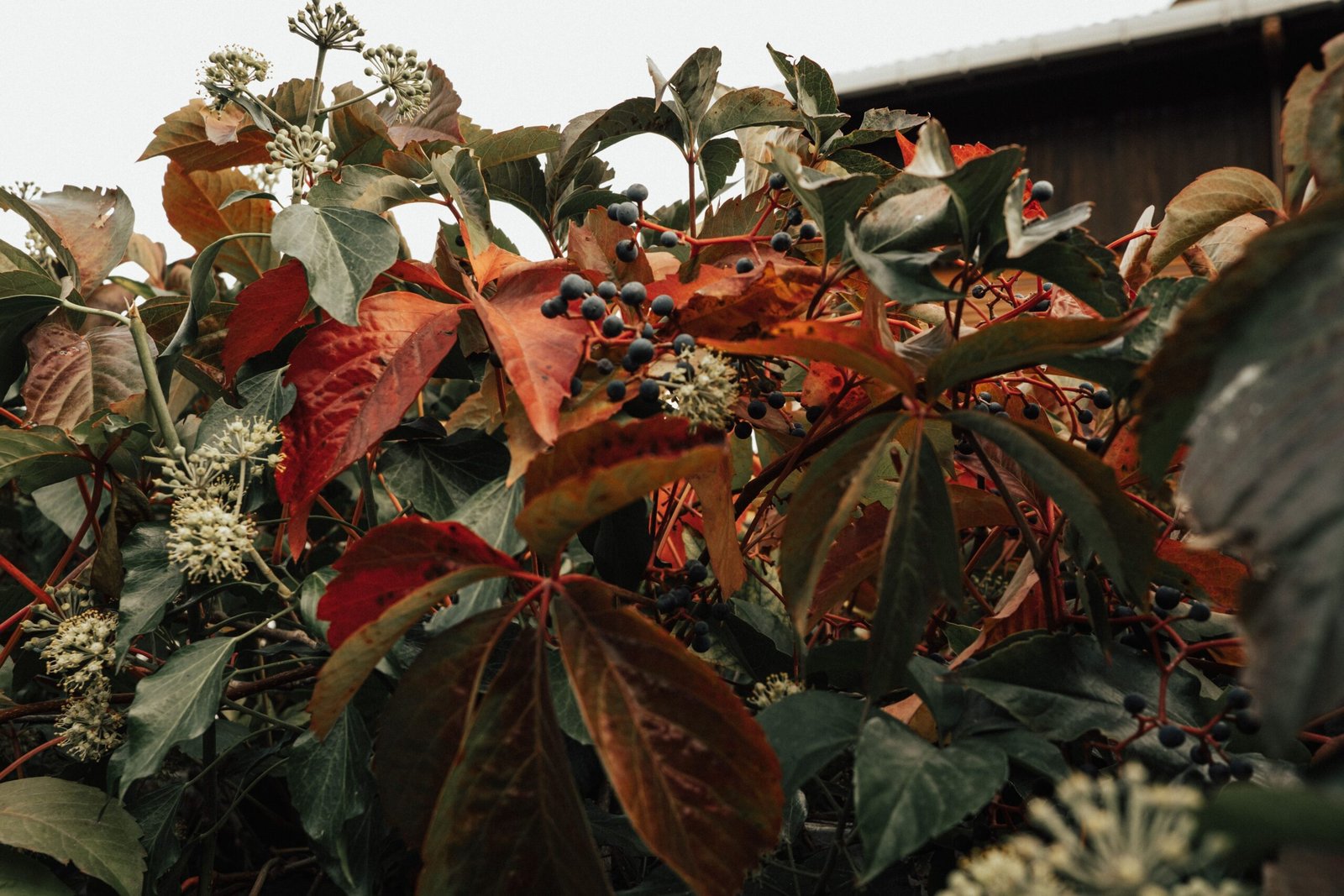
A garden does not need constant attention, but it does need the right attention at the right time. Pruning in the wrong season, feeding at the wrong time, or leaving a job until it becomes a problem all create more work than doing the job when it matters. A seasonal checklist solves that: it tells you what matters now, what can wait, and what should not be done yet.
This guide organises garden care by season, so you can use it as a reusable reference. Each season has a short list of jobs that make the biggest difference, and the whole year adds up to a garden that stays healthy and looks cared for without taking over your life.
Spring: Wake the Garden Up
Spring is the season of preparation and new growth. Start by clearing winter debris: remove dead leaves from beds and lawns, cut back dead perennial stems, and clear paths and drains. This is not just tidying; it lets light and air reach new growth, and it reveals what survived winter and what did not. Check for damage from frost, wind, or pests, and note anything that needs replacing before the growing season gets underway.
Next, feed and mulch. Apply a general fertiliser or compost to beds as growth starts, and mulch bare soil with compost or bark to suppress weeds and hold moisture through the growing season. Mulching in spring, after weeding, is far more effective than mulching later, when weeds are already established. Prune spring-flowering shrubs after they finish flowering, not before, so you do not remove the buds that make the display. And start sowing and planting: hardy crops and flowers first, tender plants once frosts have passed.
Spring is also the time to check the practical side of the garden: mowers, tools, and irrigation. Service the mower, sharpen tools, and check hoses and watering systems before they are needed daily. A morning spent on tools in spring saves frustration all summer. For a garden designed to need less work overall, the principles in How to Create a Low-Maintenance Garden That Still Looks Cared For — ground cover, mulch, and clear edges — make the spring routine shorter every year.
Summer: Water, Feed and Watch
Summer is the season of growth, and the main jobs are watering, feeding, and watching. Water deeply and less often, in the morning or evening, so water reaches roots rather than evaporating from the surface. Containers and new plantings need water most often, while established plants in mulched beds need less. A garden watered deeply twice a week will usually do better than one sprinkled daily, because deep watering encourages roots to grow down where soil stays moist longer.
Feeding in summer supports growth and flowering, but it should be moderate and targeted: feed plants that are actively growing and flowering, and stop feeding late in summer so growth hardens before autumn. Deadheading — removing spent flowers — encourages more flowers in many plants and keeps beds looking tidy, but it is not essential for every plant, so focus on the ones where it makes a visible difference. Keep an eye on pests and diseases: catching a problem early, when it affects a few leaves, is far easier than dealing with it once it has spread.
- Water in the morning or evening, deeply, so roots grow down.
- Weed little and often, while weeds are small and before they seed.
- Harvest vegetables and herbs regularly — picking encourages more growth.
- Mow lawns little and often, leaving clippings where they fall if the mower allows, to return nutrients to the lawn.
Summer watering deserves a note on containers, which dry out far faster than beds in the ground. Pots, baskets, and planters in sun and wind may need watering daily in hot weather, while the same plants in a shaded corner may need water only a few times a week. Check containers by pushing a finger into the compost: if the top couple of centimetres are dry, water thoroughly until it runs from the drainage holes; if the soil is still damp, wait. Mulching the surface of pots with bark or gravel slows evaporation, and grouping pots together shades the compost and makes watering a single job rather than a tour of the garden.
Summer is also the season to enjoy the garden, not just work in it. A garden that is only ever a list of jobs will not be loved, so make time to sit in it, eat in it, and notice what is growing well. That noticing is itself useful: it tells you what to repeat next year and what to change. If you are growing food, the summer routine for vegetables is covered in How to Plan a Vegetable Garden for Your First Season.
Autumn: Tidy and Prepare
Autumn is the season of tidying and preparation, and it sets up the whole of next year. Clear fallen leaves from lawns and paths, where they smother grass and become slippery, but leave some leaves in beds and quiet corners as shelter for wildlife and as natural mulch. Cut back perennials that have died down, but leave seed heads and hollow stems that provide food and shelter through winter — a garden tidied to bare earth in autumn is a garden with nothing for wildlife and nothing of interest in winter.
Autumn is also the best time to plant. Trees, shrubs, and many perennials planted in autumn establish roots while the soil is still warm, and grow away strongly in spring. It is also the time to plant spring bulbs, divide overcrowded perennials, and sow green manures over empty vegetable beds to protect the soil through winter. Planting in autumn is often more successful than planting in spring, because plants have months to settle before the demands of summer growth.
Prepare for winter as autumn progresses: protect tender plants from frost, drain and store hoses, and check fences, sheds, and structures for damage before winter weather makes repairs harder. Clean and oil tools before storing them, so they are ready in spring. Autumn work done well makes spring easier, because the garden starts the year tidy, planted, and protected, rather than needing a major clearance before anything can grow.
Winter: Protect and Plan
Winter is the quiet season, and the garden needs least from you — but what it does need matters. Protect tender plants from hard frost with fleece, cloches, or a move indoors, and check that protection stays in place after wind and rain. Avoid walking on frozen lawns, which damages grass, and avoid digging or working soil when it is waterlogged, which compacts it. Most winter damage comes from doing too much at the wrong time, rather than too little.
Winter is also the best time to plan. With the garden bare, its structure is visible: you can see where beds, paths, and trees work and where they do not, and plan changes for spring without the distraction of full growth. Order seeds and plants early, while choice is widest, and plan the year’s planting on paper before buying. A winter plan, made calmly, prevents the impulse buying of spring, when garden centres are full of plants that may not suit your garden at all.
Finally, use winter to look after the gardener as much as the garden: clean, sharpen, and repair tools; read and learn; and enjoy the garden’s winter form — evergreen structure, bark, seed heads, and frost. A garden that looks good in winter, even quietly, is a garden well designed, and winter is when that design shows. The same seasonal thinking applies indoors, where small swaps keep a home feeling fresh through the year, as covered in Seasonal Home Decor Swaps That Keep Your Home Feeling Fresh. And if you want to reduce the seasonal workload itself, a low-maintenance approach to planting and surfaces is the place to start.
FAQ: Seasonal Garden Care
What is the most important job each season?
Spring: mulch and feed as growth starts. Summer: water deeply and weed little and often. Autumn: plant and tidy for winter. Winter: protect tender plants and plan for spring.
Should I cut everything back in autumn?
No. Cut back what has died down, but leave seed heads and hollow stems for wildlife and winter interest. A garden tidied to bare earth loses both.
When is the best time to plant trees and shrubs?
Autumn, while the soil is still warm. Plants establish roots over winter and grow strongly in spring, usually more successfully than spring-planted ones.
How do I remember what to do when?
Use this checklist as a reference, and put the seasonal jobs in a diary. A short session each season, done on time, is far more effective than a major blitz once a year.
Conclusion
Seasonal garden care is about doing the right job at the right time: waking the garden up in spring, watering and watching in summer, tidying and planting in autumn, and protecting and planning in winter. Done consistently, it keeps a garden healthy and looking cared for with a short session each season.
Print or save this checklist, and work through one season at a time. A garden cared for seasonally is a garden that rewards you all year, without ever taking over your weekends.
1 thought on “Seasonal Garden Care: A Simple Year-Round Checklist”