
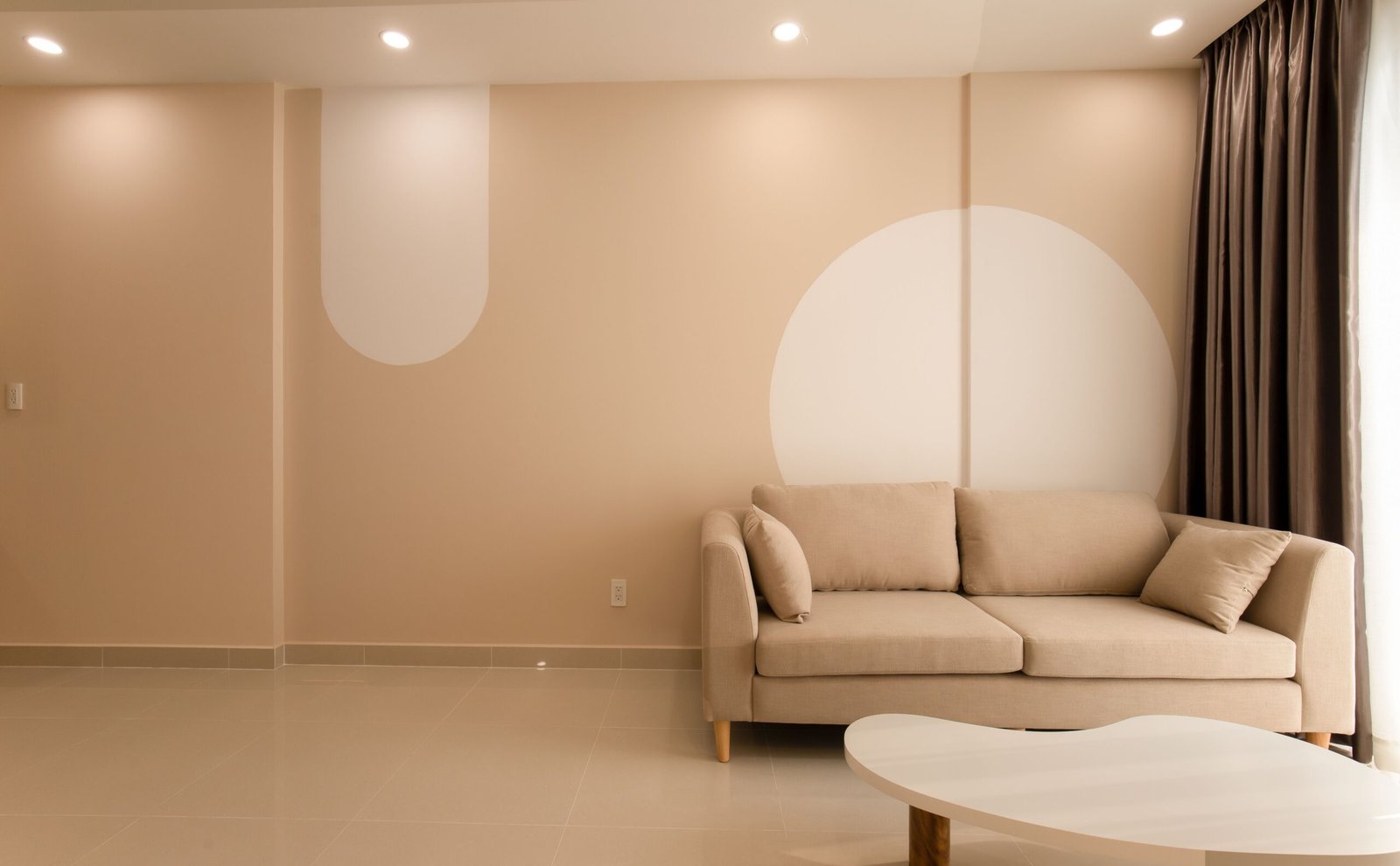
Minimalism has a reputation problem. For many people, the word brings to mind white rooms, empty surfaces, and furniture you are almost afraid to sit on — beautiful in a photograph, but not somewhere you would want to spend a rainy Sunday. Warm minimalism is the answer to that image. It keeps the calm and clarity of minimalism — fewer things, cleaner lines, space to breathe — but adds the warmth that makes a house feel like a home: natural wood, soft textiles, gentle colour, and objects chosen because they mean something.
The result is a home that feels calm without feeling bare, and lived-in without feeling cluttered. It is not about owning as little as possible or following a strict set of rules. It is about being deliberate: every item earns its place, every surface has room to breathe, and the things you keep are things you genuinely enjoy living with.
What Warm Minimalism Actually Looks Like
Warm minimalism starts from the same place as any minimalism: less, but better. The difference is in what “better” means. Where a cooler, more stark minimalism might favour white walls, chrome, and glass, warm minimalism leans towards natural materials and soft, muted tones. Think pale oak instead of glossy white, linen instead of leather, a handmade ceramic bowl instead of a perfectly symmetrical ornament.
In practice, a warm minimalist room has a few recognisable traits. The furniture is simple in shape, with clean lines and little ornamentation, but it is comfortable — a deep sofa rather than a sculptural one, a solid wooden table with visible grain rather than a high-gloss finish. There is a clear sense of space: you can see the floor, the walls are not crowded, and there is room to move. Yet the room does not feel empty, because texture and natural materials fill the space that decoration used to fill.
Think of it as a balance between calm and cosiness. Calm comes from editing — fewer objects, a restrained palette, and clear surfaces. Cosiness comes from softness — textiles, warm light, natural materials, and personal touches. Remove either side and the style tips over: all calm and no cosiness feels cold; all cosiness and no calm feels cluttered. The sweet spot is a room where you could sit down with a book and a cup of tea and feel instantly at ease.
This is also a style that suits real life. With fewer objects, cleaning is quicker, and because the emphasis is on quality and comfort rather than trends, a warm minimalist room tends to age well instead of dating quickly.
Texture Does the Heavy Lifting
If you take away pattern, bright colour and ornament, something has to create visual interest — and in warm minimalism, that something is texture. Texture is what stops a neutral room from feeling flat. It is the difference between a plain white wall and a limewashed one, between a smooth cotton cushion and a chunky knitted throw, between a flat laminate floor and wide-plank oak with visible grain.
The trick is to mix textures deliberately rather than letting everything be smooth and similar. Pair a rough, natural material with a soft one: a jute rug under a linen sofa, a wool throw over a leather chair, a ceramic vase on a wooden shelf. Mix matte and slightly sheen finishes too — matte walls with a satin-finish wooden table, for instance. Each contrast adds depth without adding clutter, which is exactly what a minimalist room needs.
Start with the largest surfaces first, because they set the tone. Flooring, rugs, sofa fabric and bedding cover the most area, so their textures matter most. A large, natural-fibre rug can anchor a whole living room and add warmth underfoot, even in a pale colour. Then layer in the smaller textures: knitted throws, cushions in different weaves, baskets for storage, and wooden or stone accessories. For a deeper look at choosing these pieces, see Cosy Textiles Guide: Rugs, Throws and Cushions That Pull a Room Together.
Texture combinations that work well
- Warm wood + soft wool: oak furniture with a woollen throw or rug softens the whole room.
- Linen + rattan or wicker: light fabrics with woven storage baskets feel relaxed and natural.
- Ceramic + stone: handmade pottery and a stone tray add an earthy, grounded feeling.
- Sheepskin or faux fur + smooth cotton: a soft accent on a chair adds instant comfort without colour.
A common mistake is relying on a single texture throughout a room — all smooth, all white — and then wondering why it feels cold. Aim for three or four distinct textures, repeated in different places, so the room feels warm without any bright colour.
A Restrained Colour Palette
Colour in warm minimalism is quiet rather than absent. The palette usually starts with warm neutrals — soft white, cream, warm beige, pale greige, and gentle taupe — and then adds depth with muted, nature-inspired tones: sage green, terracotta, dusty ochre, or soft charcoal. The key word is muted. These are colours softened, as if by sunlight, so they sit comfortably together rather than competing for attention.
A practical way to build the palette is to choose one dominant neutral for the walls and larger furniture, one slightly deeper tone for warmth, and one or two accent colours used sparingly. For example, warm white walls, an oak table and a beige sofa as the base; a terracotta throw and clay-toned cushions as the warmth; and a touch of sage green from plants and one piece of art. Accents should appear more than once — a colour used only in a single cushion can look accidental, but the same colour repeated in a throw and a vase looks intentional.
Natural materials help enormously here, because wood, stone, wool and linen already carry warm tones. An oak floor, a wooden coffee table, a woven basket and a linen curtain can provide most of a room’s colour on their own. Institutions that celebrate craft and material, such as the Victoria and Albert Museum, are a good reminder of how much character natural materials and handmade objects can bring to everyday living spaces.
Be careful with pure, brilliant white. In north-facing rooms it can look cold and grey rather than fresh; a warm white with a hint of cream pairs better with wood and natural fibres. Test paint colours at different times of day before committing, since warm neutrals shift noticeably in different light.
Keep Surfaces Clear Without Feeling Bare
This is the part of warm minimalism most people find hardest: keeping surfaces clear without the room feeling empty. The secret is that “clear” does not mean “bare”. It means every surface has a purpose, and the objects on it are chosen rather than accumulated. A coffee table with two books, a small vase and a candle feels styled and complete. The same table covered in remotes, mail and chargers feels chaotic, even though the table itself has not changed.
Start with the surfaces you see first when you enter a room: the hallway console, the coffee table, the kitchen counter, the bedside table. Clear each one completely, then add back only what is useful or genuinely loved, in small groups. Odd numbers tend to look more natural than even ones — a group of three objects of different heights, for example, feels balanced without being symmetrical. Leave empty space around each group; that breathing room is what makes the objects you keep stand out.
Storage is what makes this sustainable. If everything has a proper home, surfaces stay clear without constant effort. Baskets are particularly useful here because they are storage that also adds texture: one for throws, one for toys, a lidded one for chargers and remotes. Closed storage is better than open shelving for everyday clutter; open shelving works best for a few beautiful or useful items, with space between them.
Everyday habits that keep the calm
- Give every new item a home before it lands on a surface. If it has nowhere to live, the room may not need it.
- Do a quick surface reset each evening — five minutes returning things to their homes prevents clutter building up.
- Rotate decorative objects seasonally rather than adding to them: swap a summer vase for an autumn candle, for instance.
- When something new comes in, consider what leaves. A one-in, one-out habit keeps a minimalist home from slowly filling up again.
Personal touches belong in warm minimalism — they are what separate it from a showroom. A few framed photographs, a piece of art from a trip, a handmade bowl: these make a home feel lived-in. Display them where you will actually see them, rather than spreading them thinly across every surface. The related Japandi approach shares this philosophy — see Japandi Interior Design: Calm, Natural and Practical for how it handles the same balance.
FAQ: Warm Minimalist Decor
Is warm minimalism the same as Japandi?
They overlap, but they are not identical. Japandi is a specific blend of Japanese and Scandinavian design, with an emphasis on low furniture, craftsmanship, and appreciation of imperfection. Warm minimalism is broader: any minimalist approach that prioritises warmth, texture and comfort, whether or not it draws on Japanese or Scandinavian influences.
Can warm minimalism work in a small home?
Yes — small homes benefit from it more than most. Fewer, better-chosen pieces make a small room feel larger, because there is less visual clutter and more visible floor and wall. Choose furniture that fits the scale of the room: a compact sofa rather than an oversized corner unit, and multi-purpose pieces such as a bench that offers both seating and storage.
How do I keep a minimalist home feeling cosy in winter?
Winter is when texture and lighting matter most. Layer textiles — a heavier throw, a thicker rug, warmer bedding — and use low, warm lamps rather than a single bright overhead light. A vase of dried stems or a wooden tray can make a room feel seasonal without adding clutter.
Does warm minimalism mean I have to get rid of everything I own?
No. Warm minimalism is not about owning as little as possible; it is about owning things deliberately. Start by removing what is broken, duplicated, or genuinely unloved, and keep what you use and enjoy. Many people find their home already contains plenty of warm, natural pieces that fit the style perfectly once the excess around them is cleared away.
How can I make a bedroom feel warm and minimalist?
Focus on the bed first: natural bedding in a warm neutral, a textured throw folded at the foot, and cushions kept to two or three rather than a pile. Keep bedside tables to the essentials — a lamp, a book, a glass of water — and use closed storage for the rest. A rug beside the bed makes the room feel inviting the moment you step onto it. For more bedroom-specific ideas, see Calm Bedroom Ideas for Better Sleep and Slower Mornings.
Conclusion
Warm minimalism is not a look you buy in one shopping trip. It is a way of approaching your home: fewer things, chosen with care; natural materials and soft textures doing the work that decoration used to do; a restrained palette that feels calm rather than cold; and surfaces clear enough to breathe but still holding the objects that matter to you.
Start small, with one room or even one surface. Notice which textures and colours you are drawn to, clear away what no longer serves you, and let the room settle before adding anything new. The calmest homes are rarely the emptiest ones — they are the ones where everything in the room has a reason to be there, and where comfort was never sacrificed for the sake of looking tidy.
4 thoughts on “Warm Minimalist Decor Ideas for a Calm, Lived-In Home”