
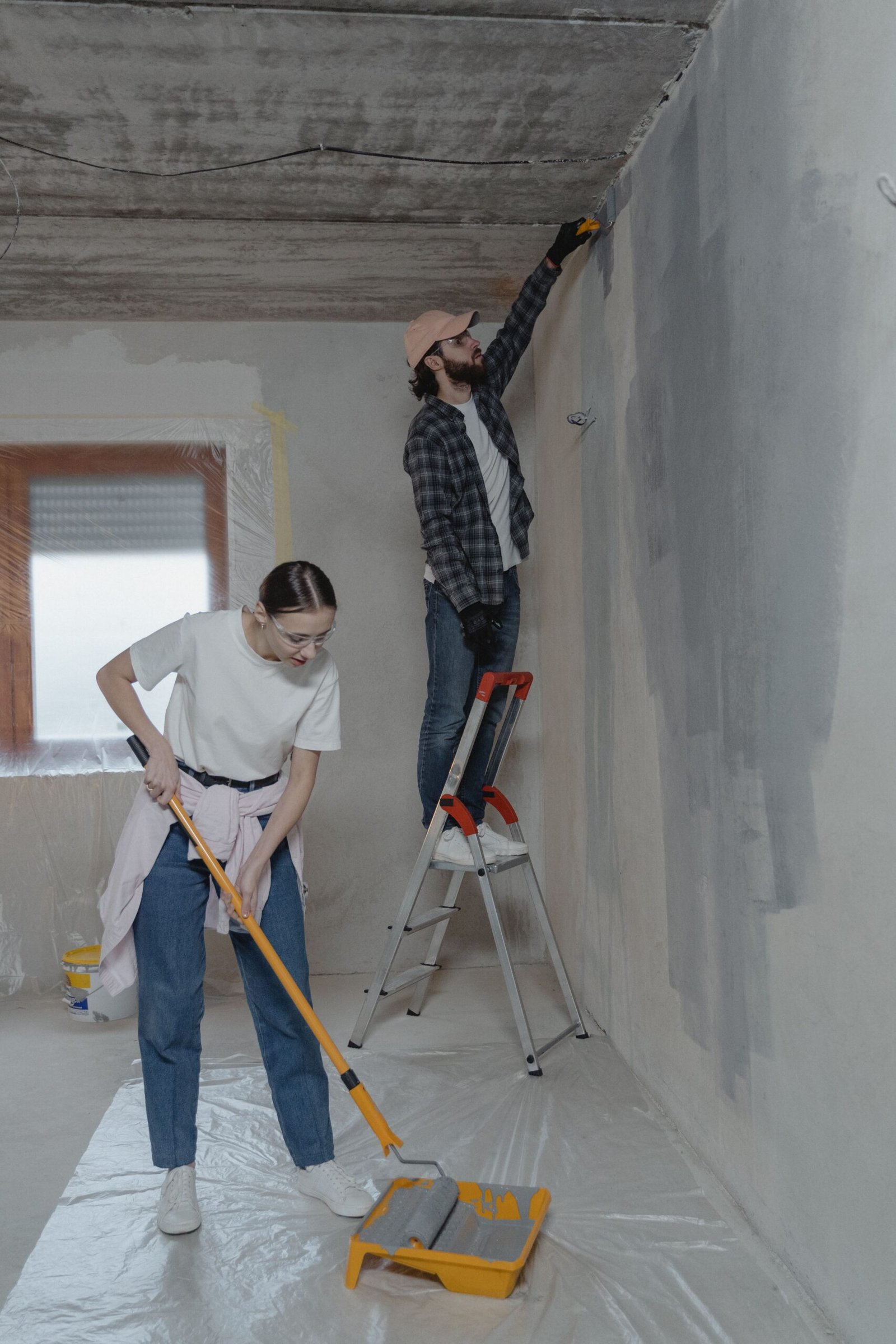
A weekend is a surprisingly useful unit of home improvement. Two days are long enough to make a visible difference to a home, but short enough to demand a clear plan. The temptation is to start something ambitious on Saturday morning and discover, by Sunday evening, that the room is unusable and the job is only half done.
This guide takes the opposite approach. It ranks weekend projects by effort and impact, and it is honest about what belongs on a weekend list and what does not. The aim is not to transform a home in two days, but to finish something properly, clean up completely, and enjoy the result on Monday morning.
Pick a Project You Can Actually Finish
The first decision is not which project looks best, but which one you can genuinely finish in the time you have. A realistic weekend project should take no more than about half the time you think you have available, because preparation, drying, and cleaning always take longer than expected. If a project needs a full Saturday and a full Sunday with no slack, it is not a weekend project; it is a project that will spill into the working week.
Skill matters as much as time. A first-time painter can paint a single wall beautifully, but painting a whole room, including ceilings and trim, is a different job. A beginner can fit a shelf or replace a tap washer, but should not start rewiring or moving a wall. Weekend work should use skills you already have or can learn quickly, with tools you already own or can borrow.
Materials are the third constraint, and the one that most often derails a weekend. Before you start, gather everything: paint, brushes, fixings, sandpaper, and cleaning supplies. A Saturday spent driving to a hardware store is a Saturday not spent improving the home, and a missing fixing on Sunday afternoon can leave a job half finished for a week.
Quick Wins for Walls and Trim
Walls and trim offer the highest visual return for the lowest weekend effort, because they cover so much of what the eye sees. A single feature wall in a living room or bedroom can change the feel of a room without the disruption of repainting the whole space. A fresh coat on skirting boards and door frames can make older walls look cleaner, even if the walls themselves are unchanged.
Preparation is what separates a quick win from a quick disappointment. Walls should be cleaned, small holes filled and sanded, and edges taped before any paint is opened. Cutting in carefully around ceilings and trim takes time, but it is what makes a paint job look professional rather than hurried. For a fuller walkthrough, see How to Paint a Room Like a Pro: Preparation, Technique and Finish.
Trim is often overlooked, but it frames a room. Freshly painted skirting boards, architraves, and window frames sharpen the edges of a space and draw attention away from minor imperfections in the walls. Trim painting is also forgiving weekend work: it can be done in sections, it dries quickly, and it does not leave a room unusable.
Another wall quick win is fixing what is already there rather than changing its colour. Fill and sand small dents, tighten loose fixtures, and touch up scuffs with leftover paint. These repairs are rarely glamorous, but they make a room feel cared for, and they can be completed in an afternoon.
Storage and Organisation Upgrades
Storage projects are satisfying weekend work because the result is felt immediately: a hallway that is easier to use, a cupboard that no longer requires digging, a room that stays tidy without effort. The best weekend storage projects are the ones that use existing space better, rather than adding bulky new furniture. Wall-mounted hooks, a shallow shelf above a door, a rail inside a cupboard door, or a set of labelled boxes can transform how a space works without changing its footprint.
Start with the place that causes the most daily friction. For many homes, that is the entryway: coats, keys, bags, and shoes competing for a small space, with no clear home for any of them. A row of sturdy hooks at a sensible height, a small tray or bowl for keys, and a shoe solution that fits the space — a rack, a bench with storage, or a simple mat — can be installed in a morning and will be used every single day. The key is to size the solution to the space and to the household’s actual habits, not to an ideal version of tidiness that nobody will maintain.
Cupboards and wardrobes offer a similar return. Inside a cupboard, the most useful weekend upgrades are simple: a second shelf where there is wasted vertical space, a rail or hook on the inside of the door, baskets or boxes that group similar items, and labels that make the system obvious to everyone who uses it. These are cheap, reversible, and quick, and they work because they reduce the effort of putting things away, which is the real reason cupboards become messy. A system that takes more effort to maintain than the mess it replaces will not survive the week.
Before adding storage, it helps to remove what does not belong. A weekend storage project that begins with a short decluttering session — taking everything out of one cupboard, keeping what is used, and relocating or letting go of the rest — will end with a system that fits what is actually kept, rather than one built around clutter. This is not a whole-house declutter; it is one cupboard, one shelf, or one drawer, done properly, so that the new storage is sized to real contents rather than to a guess.
Outdoor and Entryway Weekend Jobs
Outdoor weekend jobs are often the most visible of all, because they are seen by everyone who approaches the house. Cleaning a front path, tidying the edges of a lawn or planting bed, refreshing a front door with paint, and adding a couple of well-chosen plants by the entrance can transform first impressions in a single day. These jobs also have a practical benefit: a clean, clear path and a working outdoor light make a home safer and easier to approach, especially in the darker months.
The front door deserves particular attention, because it is the focal point of the house’s exterior. Cleaning it, repainting it if the finish is tired, replacing worn hardware such as a handle or a letterbox, and adding a clear, legible house number are all small jobs with a large effect. Outdoor lighting matters too: a working light by the door, with a bulb that is bright enough to see the step and the lock, makes the entrance welcoming and practical. Many of these ideas are developed further in How to Improve Your Home’s Curb Appeal on a Budget.
Paths and planting beds reward simple maintenance more than dramatic redesign. Sweeping and washing a path, removing weeds from joints and edges, redefining a lawn edge with a spade or an edging tool, and trimming overgrown shrubs that block a window or a path can all be done in a few hours. The result looks cared for rather than newly landscaped, which is exactly the right impression for a home: it suggests regular attention, not a one-off effort that will soon be undone.
Small outdoor repairs also belong on a weekend list, provided they are within a beginner’s skill and safety limits. Re-fixing a loose gate hinge, tightening a wobbly handrail, replacing a cracked paving slab that is a trip hazard, or clearing a blocked gutter at ground level are all useful, visible jobs. Anything involving height, structural work, electrics, or gas is not a weekend DIY job, and the boundary between a safe repair and a professional job is covered in Easy DIY Repairs Every Homeowner Should Know How to Do. Knowing that boundary is part of doing weekend work well.
FAQ: Weekend Home Improvement
How do I choose a weekend project?
Pick one job that fits your available hours, your existing skill, and the materials you can gather before you start. A project that needs about half the time you think you have is a good target, because it leaves room for preparation, drying, and clean-up.
What is the highest-impact weekend project?
Painting a single wall or refreshing trim usually gives the most visible change for the least time and cost, because walls and trim cover so much of what the eye sees. Entryway storage and front-door refreshes are close behind, because they are used and seen every day.
Should I start more than one weekend project?
Usually not. One finished project is worth more than two half-finished ones, and a half-finished room is harder to live with than an untouched one. If a first project finishes early, a small second job — such as touch-ups or a single shelf — is a sensible bonus, not a second major project.
What should I not attempt in a weekend?
Anything structural, anything involving electrics, gas, or plumbing beyond the simplest fixes, and anything that leaves a room unusable if it overruns. Those jobs need proper planning, professional help where required, and a longer timescale than a weekend allows.
Conclusion
A good weekend project is defined by its finish, not its ambition. Choose one job that fits your time and skill, gather everything before you start, prepare properly, and clean up completely. Walls and trim, storage that solves a daily frustration, and outdoor and entryway jobs all offer a visible return in two days, and each one leaves the home better than it was on Friday evening.
The habit matters more than any single project. A home improved by one finished weekend job at a time, spaced through the year, ends up in better condition than a home subjected to one grand renovation that stalls halfway. Pick the next job, finish it properly, and enjoy living with the result before choosing the one after that.
2 thoughts on “Home Improvement Projects You Can Finish in a Weekend”